Gallipoli Diaries VII
Some other British operations

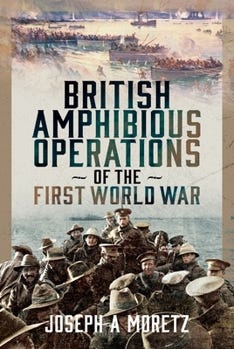
This book, British Amphibious Operations of the First World War, is the second by Joseph Moretz in my stack. I wrote about the first book, The Development of British Amphibious Operations 1882-1914, in the third part of this series.
These too books should properly be read together and back-to-back as the second is a direct continuation of the first. The reason I didn’t do so is because the second was not released yet when I finished the first. But readers should know that they are essentially written as one long book.
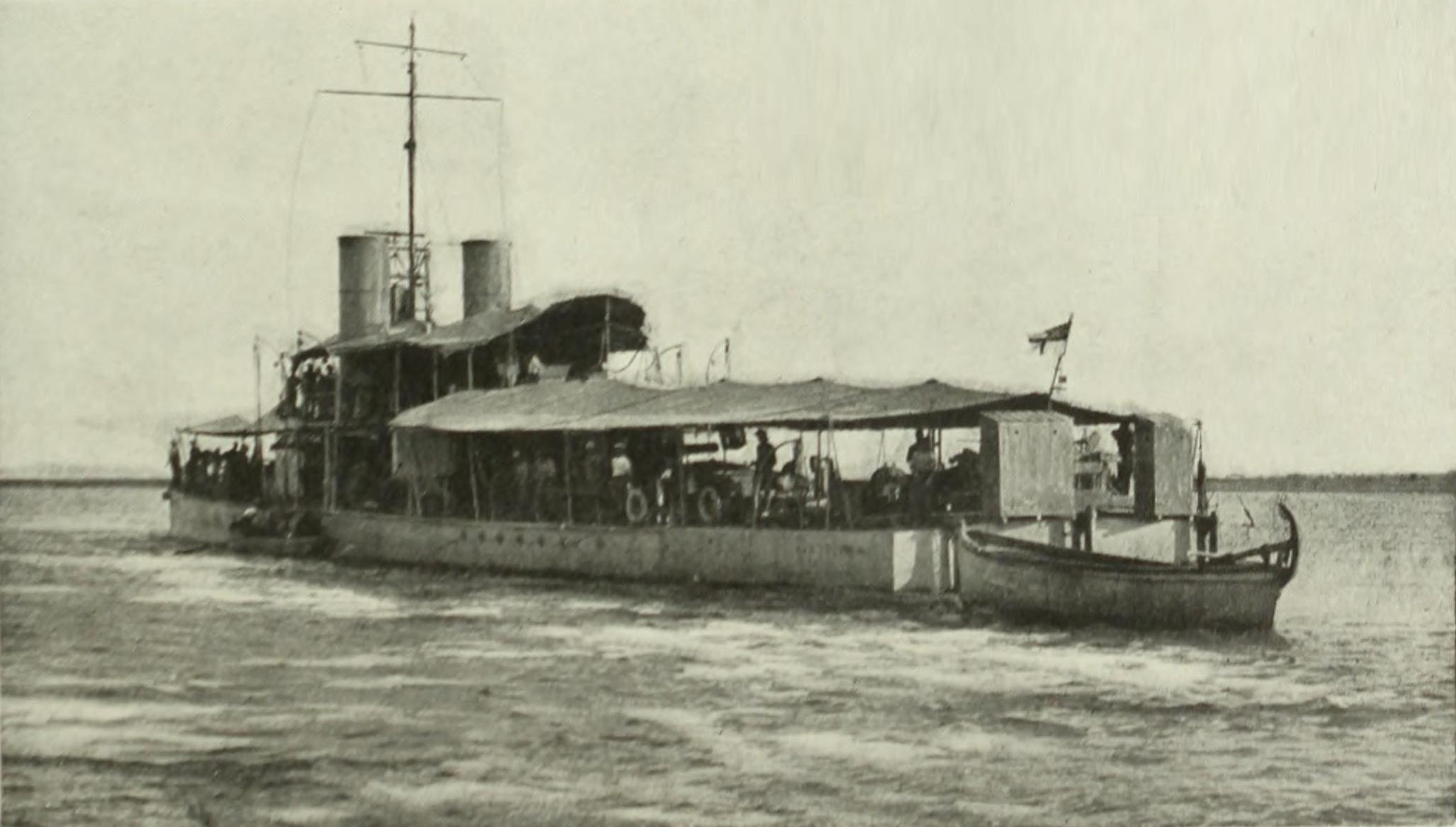
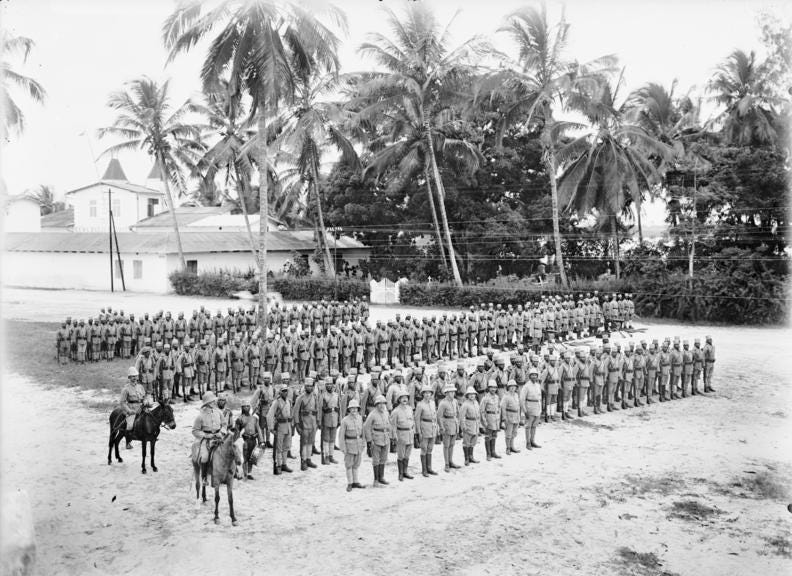
As such, my thoughts are pretty much the same as when I looked at the first book. Moretz is an assiduous historian who hits all the right primary sources, some of which I’d never heard and now go on my list to read myself. Like his first book, he covers British operations that usually get ignored. This time, they are British amphibious operations in Mesopotamia and the east coast of Africa, both of which are important context for the later Gallipoli Campaign. Neither one went well, but the landing in East Africa went particularly poorly as German trained Askari troops had little trouble chasing the British from the beach in less than a day.
Even so, the bulk of the book is Moretz’s analysis of Gallipoli. Placing that campaign in context as the third major British amphibious operation rather than just a singular campaign is vital to understanding British decisionmaking. I don’t have much to add to it and won’t relay it here: it’s a new book and you should buy it!
I only have two minor issues. Like the first book, Moretz and I have very different definitions of amphibious operations. Moretz covers the Mesopotamia campaign in particular well after it ceases to be amphibious in any way. As I reminder, I use General Al Gray’s conception of amphibious versus expeditionary. When the operation involves fighting to reach and secure a contested shore, it is amphibious. Once the shore is secure or the troops are moving from the sea to a friendly shore, it is properly expeditionary warfare and not amphibious warfare. All three of these operations featured amphibious phases, but the Mesopotamia campaign transitions to an expeditionary operation pretty quickly.
Secondly, while Moretz’ analysis of these three campaigns is excellent, it curiously does not cover the later Ostend and Zeebrugge raids. While these two raids were at far smaller scale than the campaigns that Moretz does cover, they fall squarely within British amphibious operations no matter the definition. These are also on my list to get to later, but that will come after I turn to the Ottoman side of the Gallipoli campaign next.
I hope everyone is having a relaxing enjoyable Memorial Day weekend. I’m not one of those who thinks you should refrain for normal long weekend activities to instead be somber despite the reason for the holiday. I for one will be cooking outside, having a cold one, and watching some baseball (Go Guards). But I’ll also take time to reflect on the sacrifices of the fallen. These need not be mutually exclusive. It’s also a good time to read about the origins of Memorial Day in the aftermath of the American Civil War. I reread this article on it every year and recommend the same to you.